


Being a startup founder is one of the most demanding things you can do. Long working days, constant uncertainty, financial pressure and loneliness – all of this takes its toll. The statistics are unforgiving: according to research published on the Sifted platform, nearly 49% of startup founders consider quitting due to exhaustion. More than 60% of founders experience burnout at some point on their entrepreneurial journey.
But motivation is not magic – it is a skill that can be developed. In this article we share 7 concrete strategies, backed by research and the experience of successful founders, that will help you maintain your energy even in the most difficult moments.
1. Return to your „why“
When you are in the middle of an exhausting week, it is easy to forget why you started in the first place. But your „why“ – your deeper purpose, mission, the reason your company exists – is the most powerful source of motivation you have.
As Simon Sinek says in the book „Start With Why“: people who understand their purpose stay motivated longer, because their motivation does not come from external factors (money, status) but from an inner conviction.
How to apply this in practice:
- Write your purpose on paper and place it somewhere visible – on your desk, on the wall, in your wallet.
- On difficult days, ask yourself: „Who am I helping with what I do? What difference am I making?“
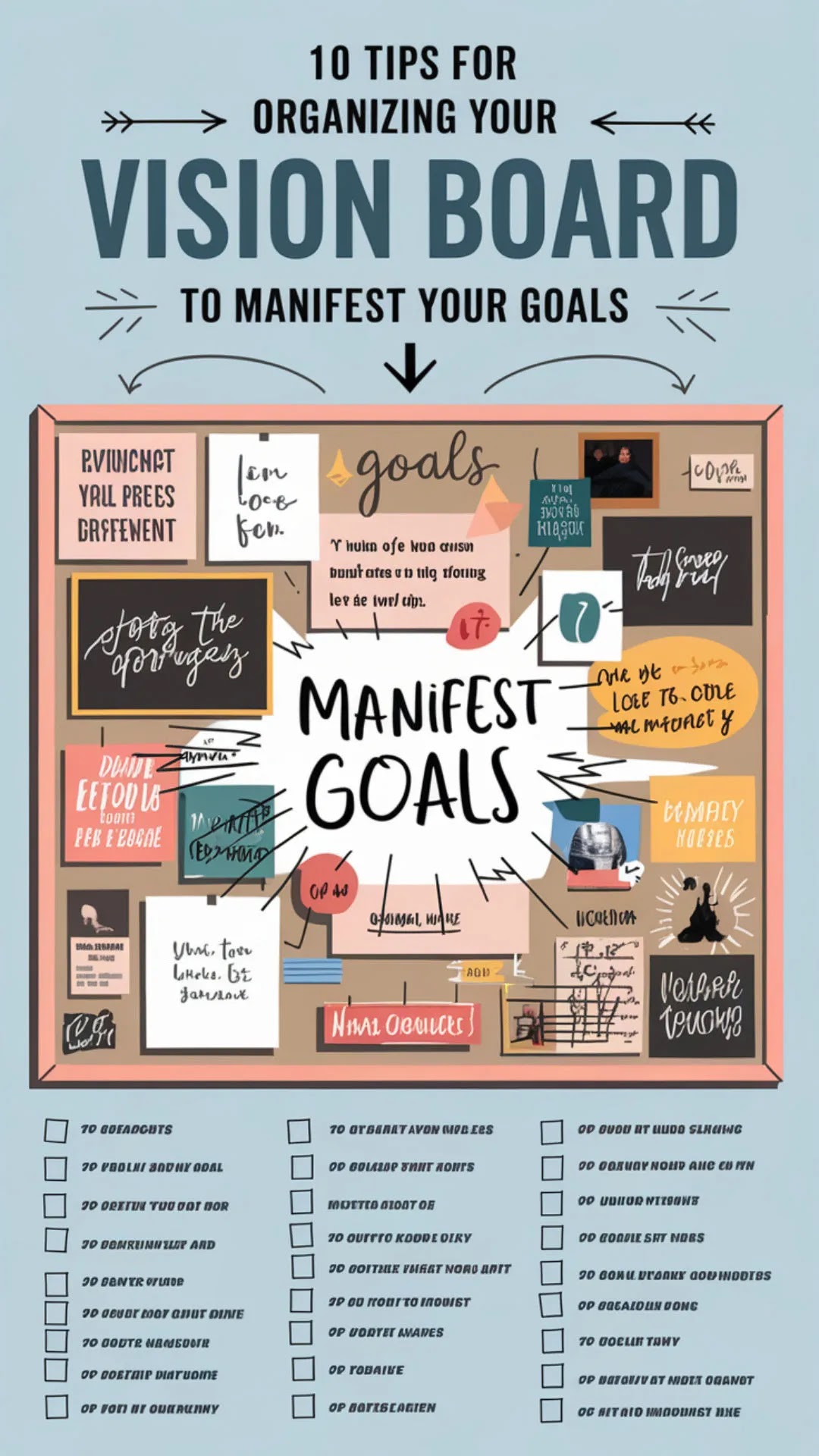
- Create a vision board with images that represent your goal. Review it every day.
2. Break big goals into small wins
One of the most common reasons for losing motivation is the feeling that a goal is unattainable. When you look at the whole picture – launch a product, acquire 1,000 customers, close an investment round – you can feel paralysed.
The solution? Break big goals into smaller, measurable steps – so-called OKRs (Objectives and Key Results):
- Instead of „launch the product“: „By Friday, finish the wireframe for 3 key screens.“
- Instead of „secure investment“: „This week, send the pitch deck to 5 investors.“
- Instead of „grow the company“: „This month, acquire 10 new users.“
Every completed step is a small win that releases dopamine and strengthens the sense of progress. Research confirms that it is precisely the sense of progress – not the size of the goal – that is the most important factor for long-term motivation.
3. Build a daily routine that keeps you on track
Motivation comes and goes – but routine stays. Successful founders create a structured day that reduces decision fatigue and increases productivity. Designing a good working day is key to long-term motivation.
An example of an effective daily routine for a founder:
- 7:00 – Morning ritual: meditation, movement or reviewing your daily goals.
- 8:00–12:00 – Deep work: the most important tasks, when your mind is sharpest.
- 12:00 – Lunch break: a walk, not a screen.
- 13:00–16:00 – Meetings and communication: calls, email, networking.
- 16:00–17:00 – Planning tomorrow: reviewing what was done, preparing for the next day.
- 17:00+ – Wrap up: consciously leave your workspace. No „just one more email“.
Key: have a fixed workspace you go to every day. Working from home without structure is one of the biggest triggers of burnout. That is why more and more founders choose a coworking space – because physical separation between work and home creates a healthy boundary.

4. Find a community – loneliness is a silent killer
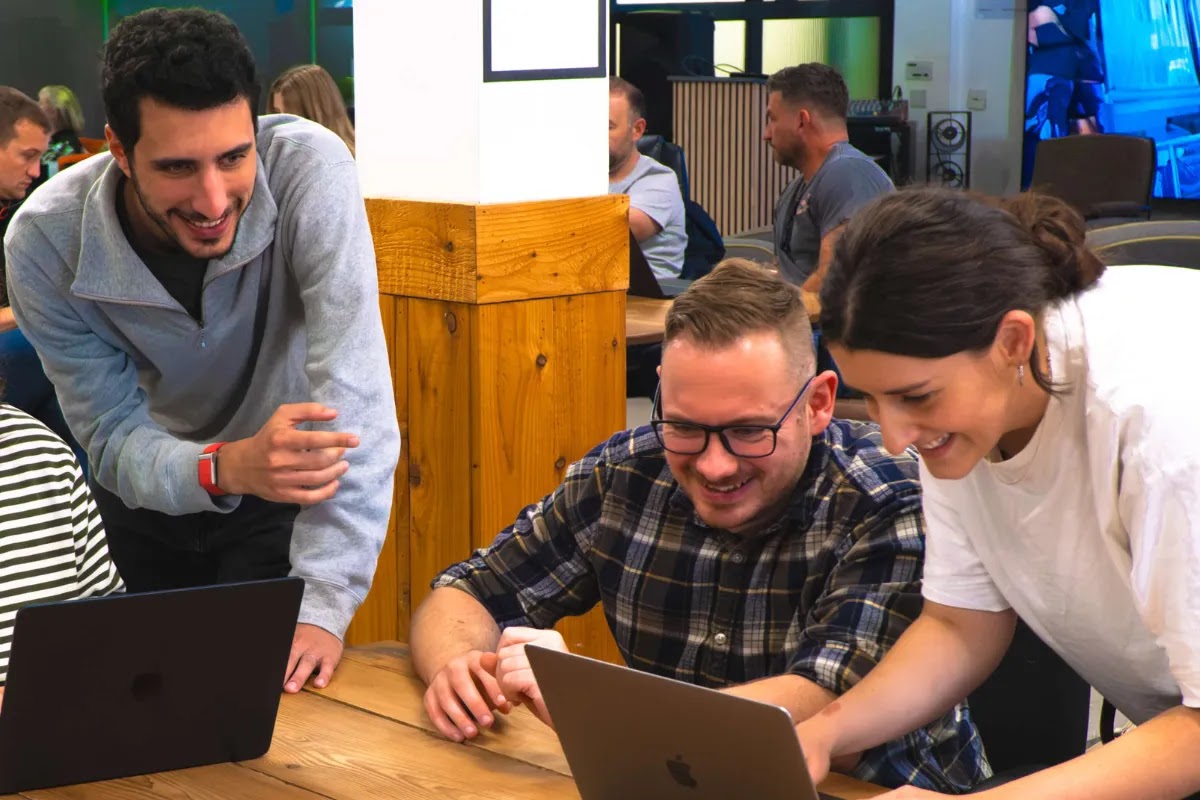
Loneliness is one of the greatest dangers for startup founders. 83% of the self-employed report reduced social contact, which negatively affects motivation and mental health. Every founder at some point complains about loneliness – friends don’t understand, family worries, and you feel like you are doing it all alone.
The solution is community – but not just any. You need:
- People who understand your challenges – other entrepreneurs, not just friends who work regular jobs.
- Regular, informal interactions – not only formal „networking events“, but everyday conversations over coffee.
- A space where you are not alone – the physical presence of other people working naturally raises motivation.
This is also one of the key reasons why startup founders choose coworking spaces. At makerSP_CE we say: „Coworking is not just a space. It is a community.“ This is not a slogan – it is a fact confirmed by research on reducing loneliness and increasing motivation in coworking environments. More on this in the article 5 reasons why freelancers choose coworking.
5. Take care of your body – not just your company
Some of the most successful founders have spoken publicly about burnout: Joel Gascoigne, the founder of Buffer, experienced severe burnout in 2017 after years of intense work. After a six-week break and starting therapy, he returned with new energy – and has since advocated for regular breaks and self-care as the foundation of entrepreneurial resilience.
Concrete self-care tips for founders:
- Sleep: 7–8 hours. No exceptions. Chronic sleep deprivation is a proven catalyst of burnout.
- Exercise: At least 30 minutes a day. A walk, a run, yoga – anything.
- Breaks: At least one day off per week. No email, no Slack, no „just a quick look“.
- A hobby: An activity that has nothing to do with your startup – skiing, surfing or cycling.
- A real holiday: At least once a year, completely disconnect. The sabbatical has become a model for the whole industry.
- Therapy: Not a weakness – a tool. Working regularly with a therapist helps recognise patterns before burnout.
And here is one more practical matter: if your coworking space is next to a park, you have nature literally at your doorstep. At makerSP_CE you have Tivoli Park 100 metres from the entrance – ideal for a 15-minute walk during the workday that refreshes the mind.
6. Celebrate small wins – not just big milestones

Founders are often so focused on the next goal that they forget to celebrate what they have already achieved. But celebrating small wins is key to maintaining motivation: when founders take time to celebrate their wins, big or small, it gives them more confidence and helps them stay motivated in difficult periods.
How to introduce this:
- Daily review: At the end of each day, write down 3 things you achieved. Even if they are small.
- Weekly celebration: At the end of the week, treat yourself to something you enjoy – a dinner, a trip, free time.
- Milestones with the community: Signed a contract? Got a new client? Share it with your team or coworkers – a shared celebration is more powerful.

7. Design an environment that supports motivation

Your work environment directly affects your motivation. Working in the dark, in noise or in isolation slowly kills energy. Conversely, a bright, tidy space with good people around you naturally raises motivation.
What does a „motivating environment“ mean for a founder?
- A professional workspace – not the kitchen table, but a desk dedicated to work. With an ergonomic chair and good lighting.
- People who pull you up – surround yourself with people who build. Energy spreads.
- Fewer distractions – no television, no washing machine, no fridge calling you every 20 minutes.
- A space for breaks – greenery, nature, a café nearby. The option of a quick break without driving.
These are all reasons why more and more founders are swapping the home office for coworking. It is no coincidence that some of the most successful startups in the world started in coworking spaces.
Warning signs of burnout – when to act?
Burnout does not come overnight. It develops gradually, often unnoticed. According to the model of Dr. Christina Maslach (UC Berkeley) it has 5 stages – from initial enthusiasm to chronic exhaustion. Watch for the following signs:
- Emotional signs: Persistent exhaustion, cynicism, loss of passion for work, a feeling of isolation.
- Physical signs: Chronic fatigue, frequent illness, sleep disturbances.
- Behavioural signs: Reduced productivity, more mistakes, conflicts with the team.
If you recognise these signs, act immediately. Talk to a trusted person, consult a therapist and consider a break. As founders’ experiences show: 3–4 weeks of rest can be enough for a full recovery – but only if you act in time.
Frequently asked questions about motivation for founders
Is it normal to feel unmotivated as a founder?
Absolutely. Motivation is cyclical – it comes and goes. What matters is having systems (a routine, community, goals) that keep you on track even in periods of low motivation.
How does coworking help with motivation?
A coworking space addresses the three biggest triggers of burnout: isolation (community), lack of structure (a fixed workspace) and a blurred boundary between work and home (physical separation). More on this in the article 5 reasons why freelancers choose coworking.
Which books do you recommend for motivation?
- „Start With Why“ – Simon Sinek (finding your purpose)
- „Atomic Habits“ – James Clear (building habits)
- „The Hard Thing About Hard Things“ – Ben Horowitz (the reality of entrepreneurship)
- „The 7 Habits of Highly Effective People“ – Stephen Covey (personal effectiveness)
- „Think and Grow Rich“ – Napoleon Hill (the mindset of success)
How much rest do I need as a founder?
Minimum: one day off per week with no work. Ideal: one real holiday (2+ weeks) every year. For long-term resilience: consider a sabbatical every 4–5 years. During the workday, regularly include short breaks – a 15-minute walk is already enough to refresh.
How do I overcome the feeling that I’m not making progress?
Break goals into weekly OKRs and every Friday review what you achieved. You will often be surprised how much you actually did – but without a record you don’t see it. The sense of progress is the proven strongest factor for long-term motivation.
Conclusion: Motivation is not a goal – it is a practice
Motivation is not something you either have or don’t. It is a practice you build every day – with routine, goals, community, self-care and the right environment. Your ability to dig deep when things are hardest is one of the key factors that separates those who succeed from those who remain in the footnotes of startup history.
If you are a startup founder in Ljubljana and are looking for an environment that supports your motivation – community, structure and a space for work and rest – we invite you to the makerSP_CE coworking space. From €135/month you have everything you need for productive work, with Tivoli Park in your immediate vicinity to refresh your mind on the hardest days.
💪 Building a startup? Don’t do it alone.
Join the community of founders and entrepreneurs at makerSP_CE. rezervacije@makerspace.si | +386 30 393 405